Traditional School Taught Compliance. We Teach Leadership.
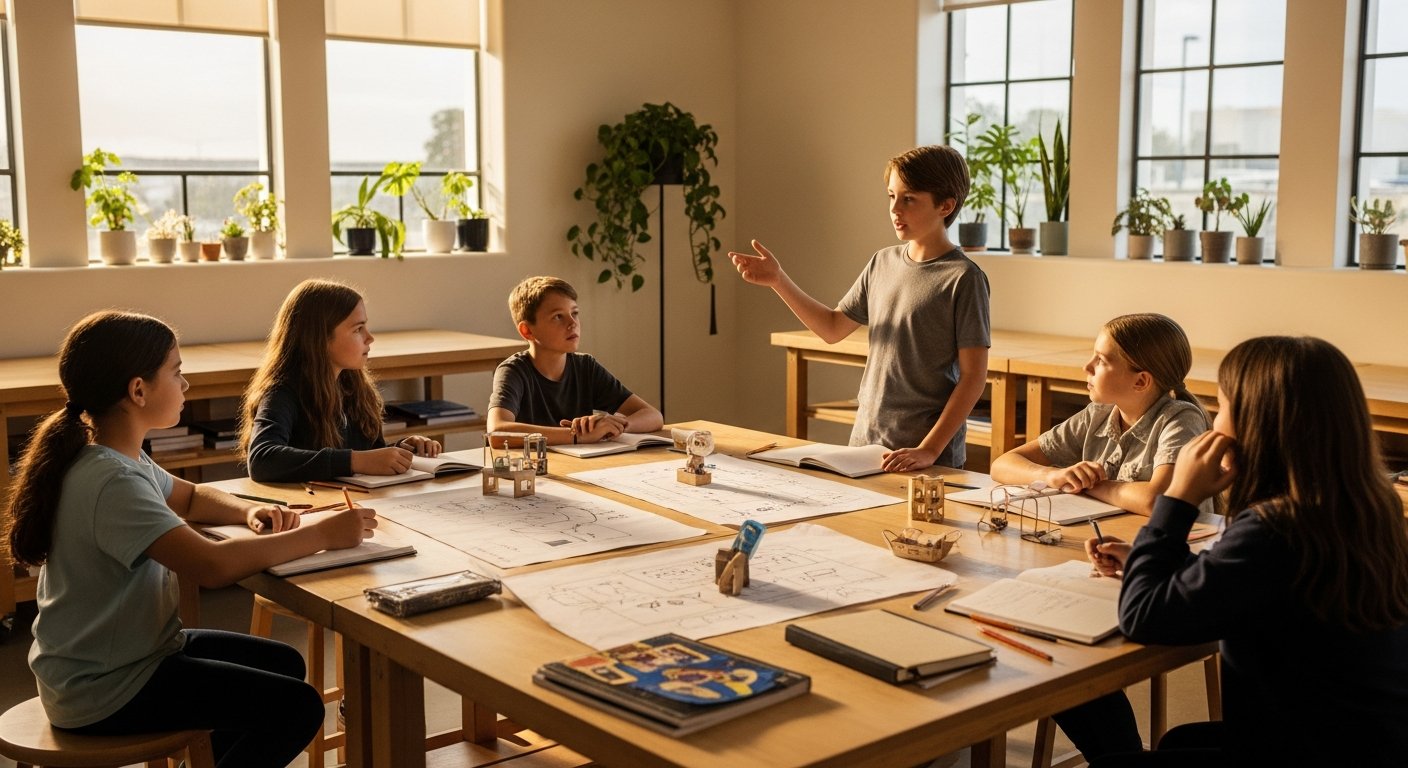
Somewhere between kindergarten and graduation, most kids learn one lesson above all others: wait to be told what to do. That is not a character flaw in your child. It is the intended output of a system designed for a world that no longer exists.
The System Was Built for a Different Century
The American K-12 structure was engineered in the industrial era to produce reliable, obedient workers. Sit in rows. Follow instructions. Memorize the answer. Repeat it on the test. The architecture of the traditional school. Bell schedules, passive lectures, standardized assessments. Has changed remarkably little since then. The economy, the culture, and the demands of adult life have changed almost beyond recognition.
This is not a fringe critique. It is the lived experience of millions of parents who watch their bright, curious, energetic children slowly learn to disengage. The child who asked a hundred questions at age five grows quiet by age ten. The kid who built elaborate things in the backyard sits in a desk for seven hours a day being evaluated on her ability to recall information she was never asked to care about.
For families exploring school choice. Whether through a private K-12 school, a microschool in Orange County, or alternative K-12 education in Laguna Hills. The question is not whether something is wrong. The question is what to do about it.
The child who asked a hundred questions at age five grows quiet by age ten. Not because her curiosity died, but because the system had no room for it.
What Compliance Training Actually Costs
Compliance is not neutral. It has a price, and your child pays it daily.
When a school's primary behavioral demand is that students sit still, defer to authority, and perform on command, it trains out the very qualities that matter most in adult life. Initiative. Self-direction. The willingness to start something without being asked. The capacity to lead a room, defend an idea, or recover from failure without falling apart.
These are not soft skills. They are the core competencies of every career that will survive automation. Every job that AI cannot replace in the next decade requires exactly what compliance-based schooling systematically suppresses: leadership, entrepreneurial thinking, and powerful communication.
Entrepreneurship education for kids is not a luxury enrichment program. It is the most practical academic investment a family can make right now. The families who understand this are already looking beyond the traditional model.
Three Lenses That Change Everything
At Wonderstorm Academy. A private K-12 micro-school in Laguna Hills, California serving children ages 4 through 18. The entire curriculum is organized around three interlocking lenses: Leadership, Entrepreneurship, and Powerful Communication.
These are not elective courses. They are not Friday afternoon enrichment activities. They are the structural framework through which every subject, every project, and every interaction is filtered, from the earliest years through high school graduation.
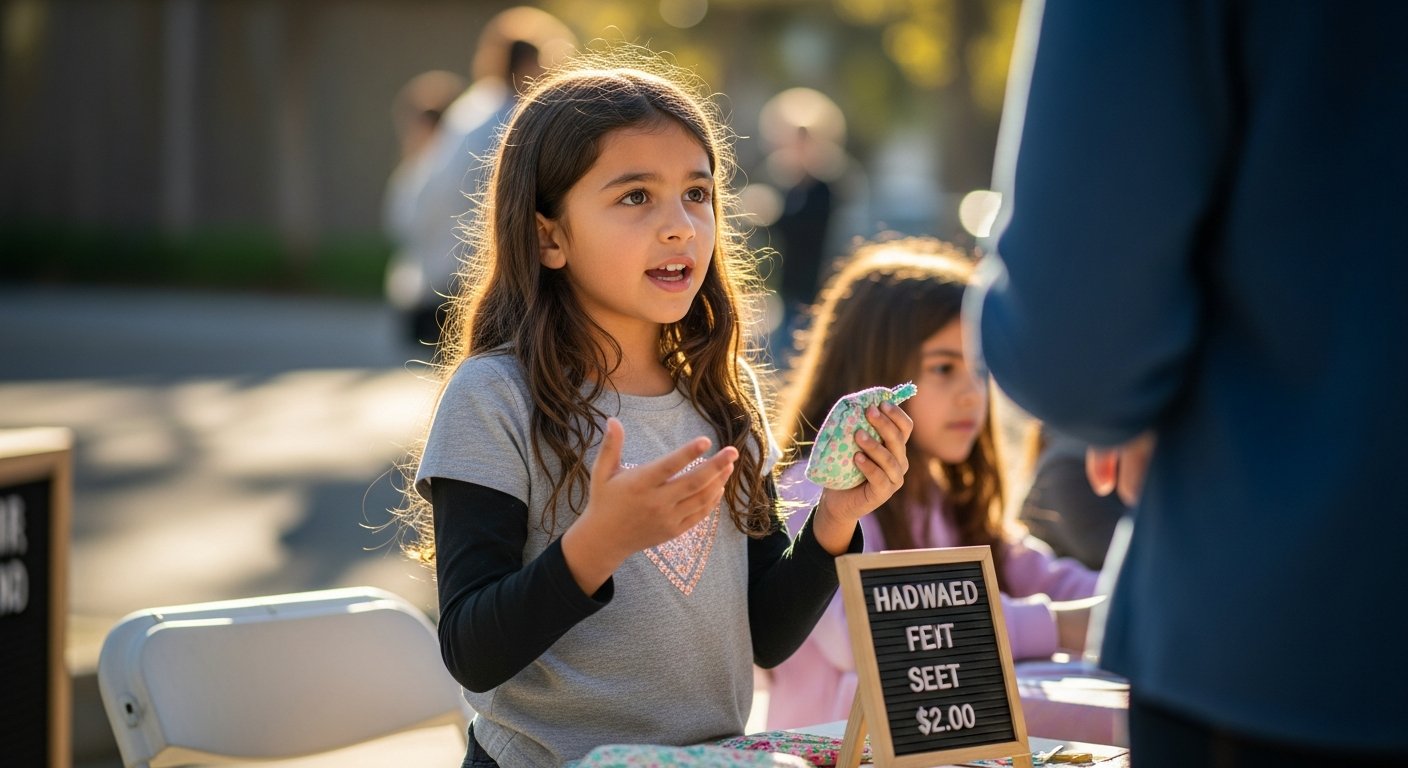
A child in the early years at Wonderstorm is not just learning to read. She is learning to articulate ideas to an audience. A middle-school student working on a project is not just completing an assignment. He is pitching a concept, defending a decision, managing a timeline, and iterating when something fails. A high school student is not just accumulating credits. She is building a portfolio of real-world work, including apprenticeships outside the campus, that demonstrates actual competency.
This is what alternative K-12 education in Laguna Hills looks like when it is built with intention rather than convention.
The Difference Between Personalized and Learner-Driven
A lot of schools. Including many that market themselves as innovative private schools in Orange County. Use the language of personalization. What they mean is that a teacher or an algorithm adjusts the pace or difficulty of content delivery for each student. The student is still a recipient. The direction still flows from the top down.
Learner-driven is a different thing entirely.
In a learner-driven model, students are not passive recipients of a customized experience. They are active agents in their own education. They set goals. They manage their time. They choose how to demonstrate mastery. They run projects with real stakes and real audiences. They experience the discomfort of being responsible for outcomes. And they develop the resilience that comes from navigating that discomfort without someone rescuing them.
Personalization adjusts what is delivered to the child. Learner-driven education changes who is in charge of the learning.
This distinction matters enormously for the parent who is considering a learning center or micro-school for the first time and wondering whether her child will be challenged. The challenge at Wonderstorm is not manufactured difficulty designed to produce a grade. It is the genuine challenge of doing real things in the real world. Which is the only kind of challenge that actually builds character.
Part of a Nationally Validated Network
One of the most common hesitations families bring to the enrollment conversation is this: is this a proven model, or is it someone's well-intentioned experiment?
It is a fair question, and the answer matters.
Wonderstorm Academy is part of the Apogee Strong network. Described by educators and researchers as a leading model of K-12 innovation in the United States. And is aligned with the same learner-driven educational framework that has produced documented outcomes across dozens of campuses nationally. This network affiliation is not a marketing credential. It is a structural guarantee that the pedagogy behind Wonderstorm has been tested, refined, and validated far beyond the walls of a single campus. Families are not betting on a local experiment. They are accessing a proven system delivered by a founder-led team that has made it their life's work.
For families investigating school choice ESA California options or simply researching what a private school alternative looks like in practice, the network affiliation answers the stability question directly.
What the Research and the Reviews Actually Say
Lindsey Jaleh, a Wonderstorm parent, wrote something worth reading in full. Her daughter is a creative, deeply feeling child who struggles with transitions and new environments. At a traditional school, that profile often produces a paper trail of interventions and a child who learns to hide her sensitivity. At Wonderstorm, the guides trusted her process. They met her with patience. They let her warm up on her timeline.
"Nearly a year later," Jaleh wrote, "the transformation has been incredible. She is confident, engaged, joyful, and genuinely loves going to school."
Elizabeth Hoefer enrolled her children and eventually her grandchildren. Her middle daughter arrived in seventh grade carrying what Hoefer calls "a tremendous amount of educational trauma" from the public school system, complete with an IEP. By tenth grade, that same daughter had completed four college courses through a dual enrollment program and finished all high school requirements a full year early. She has since decided to pursue education as her career.
These are not anomalies. They are what happens when a school is built around the actual child rather than the administrative convenience of a large institution.
The Enrollment Decision Is a Values Decision
There is a version of this conversation that is purely practical. Square footage of the campus. Accreditation status. Tuition range. College acceptance rates. Those details matter and they have answers.
But the families who ultimately choose Wonderstorm Academy are not primarily making a practical decision. They are making a values decision. They have looked at what the traditional model produces and decided that compliance, credential accumulation, and standardized performance are not the outcomes they are building their child's life around. They want a child who can lead a room at twenty-two. Who can start something from nothing at twenty-five. Who knows how to communicate with precision and conviction at any age.
That child is built here, starting at age four, through daily practice in Leadership, Entrepreneurship, and Powerful Communication. In a micro-school community small enough that no child is ever anonymous, ever managed as a number, ever asked to shrink to fit the system.
If you are an intentional, values-driven family in Orange County and something in this article has named what you have been feeling, the next step is simple. Come see it in person. Walk the campus. Watch learners in action. Ask the hard questions.
Book your family's campus tour at Wonderstorm Academy today. Enrollment for the 2026-2027 school year is open, cohort sizes are intentionally limited, and the families who act now are the ones who will look back in ten years knowing they chose the path that changed everything.
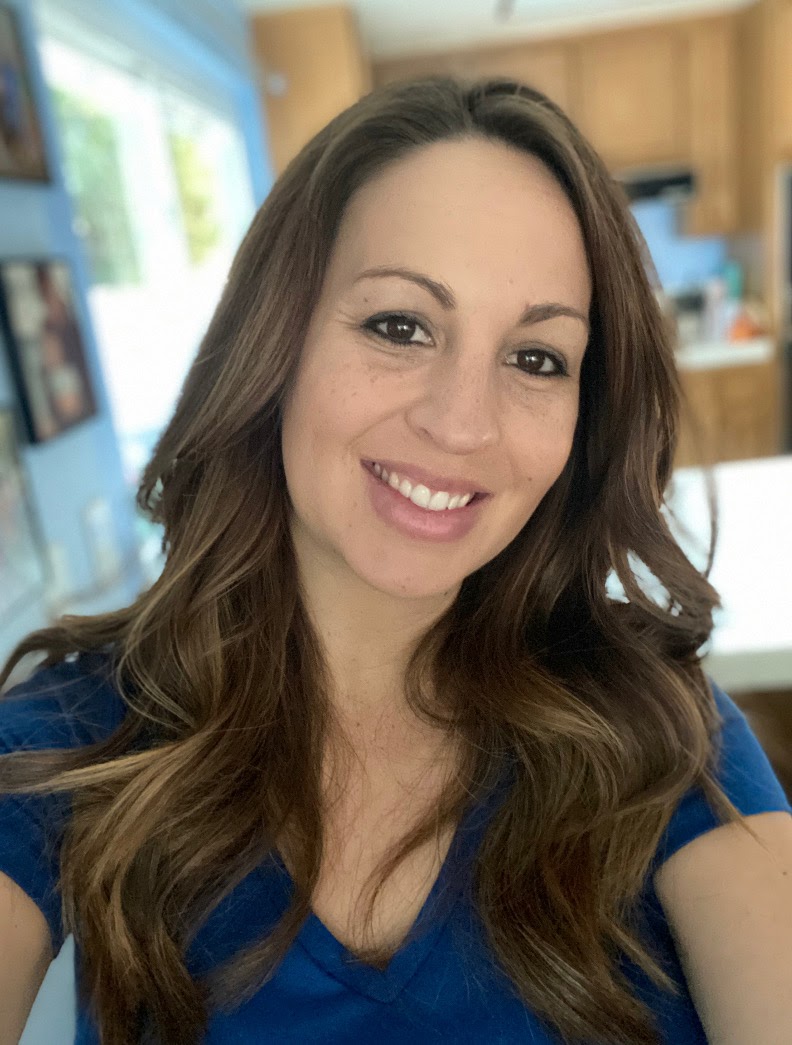
Holly Yarbrough
School Director & Co-Founder
Holly Yarbrough is the School Director and Co-Founder of Wonderstorm Academy, a private K–12 micro-school in Laguna Hills, CA built around leadership, entrepreneurship, and powerful communication. She works directly with families navigating the decision to leave conventional schooling behind and shapes the day-to-day learning environment where students engage in project-based, real-world education from kindergarten through 12th grade. Her perspective is rooted in the belief that children thrive when they are treated as capable, self-directed learners rather than passive recipients of instruction.