Articles & Insights

    Why Your Gifted Child Is Bored at School

    Why Your Gifted Child Is Bored at School

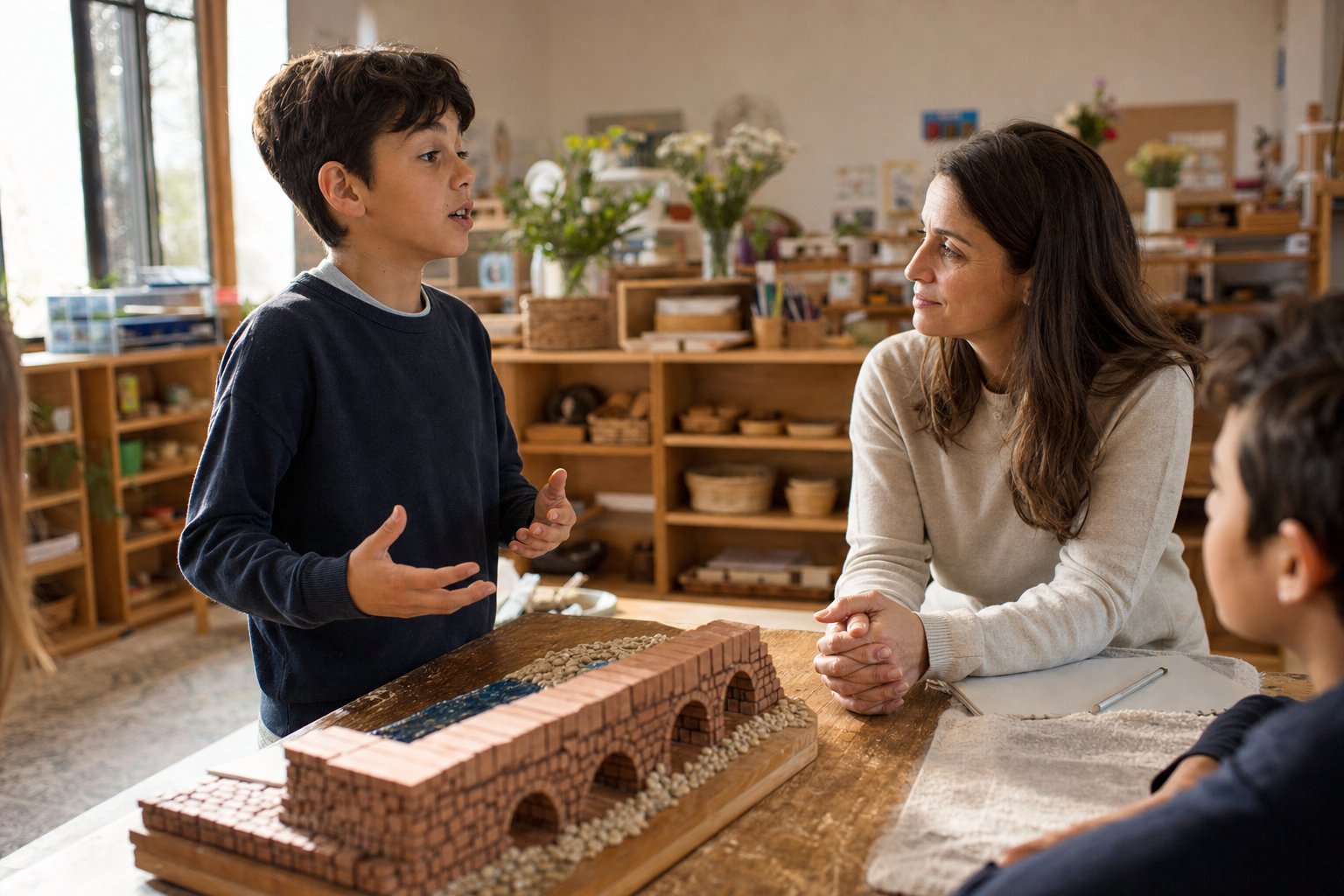
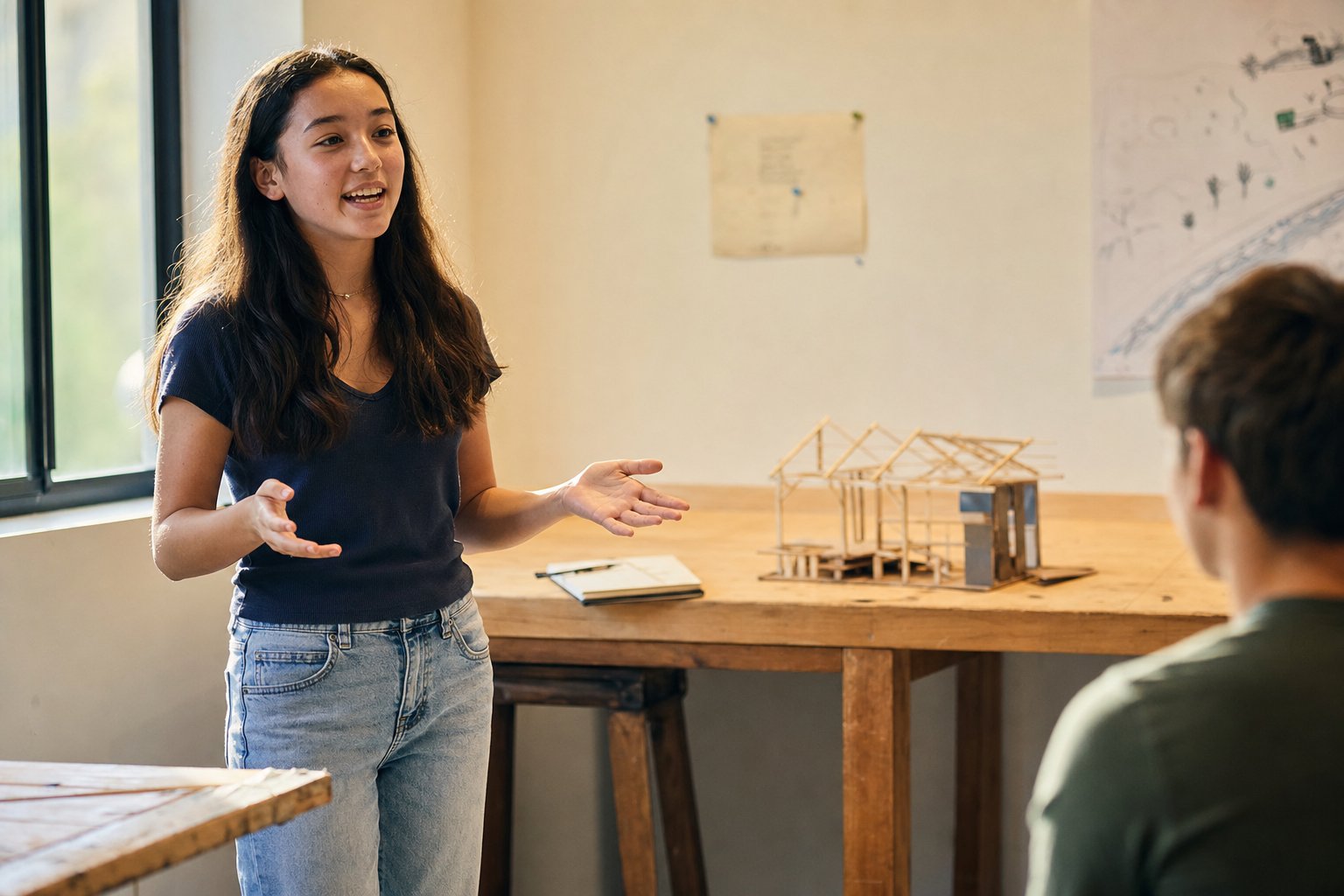
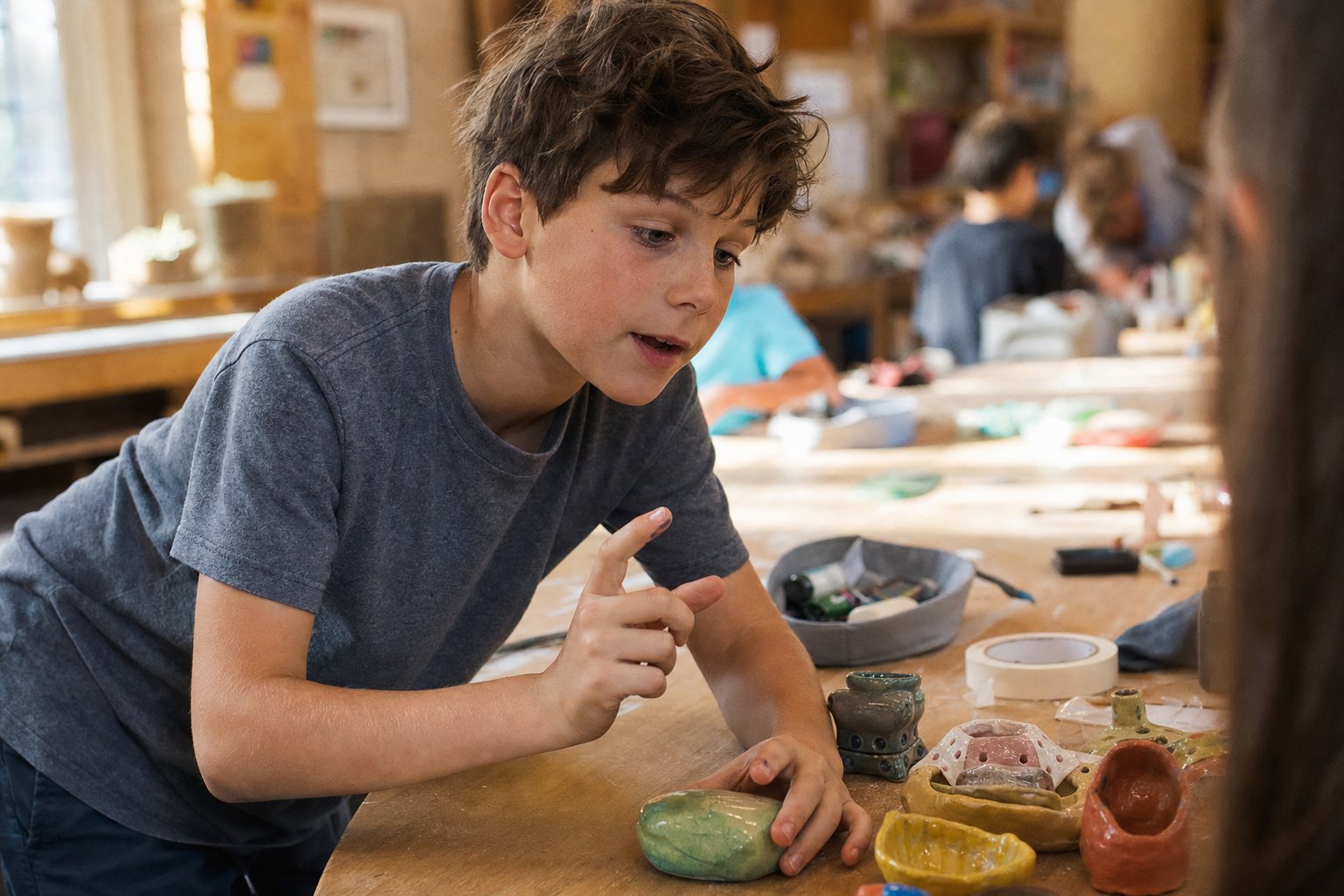
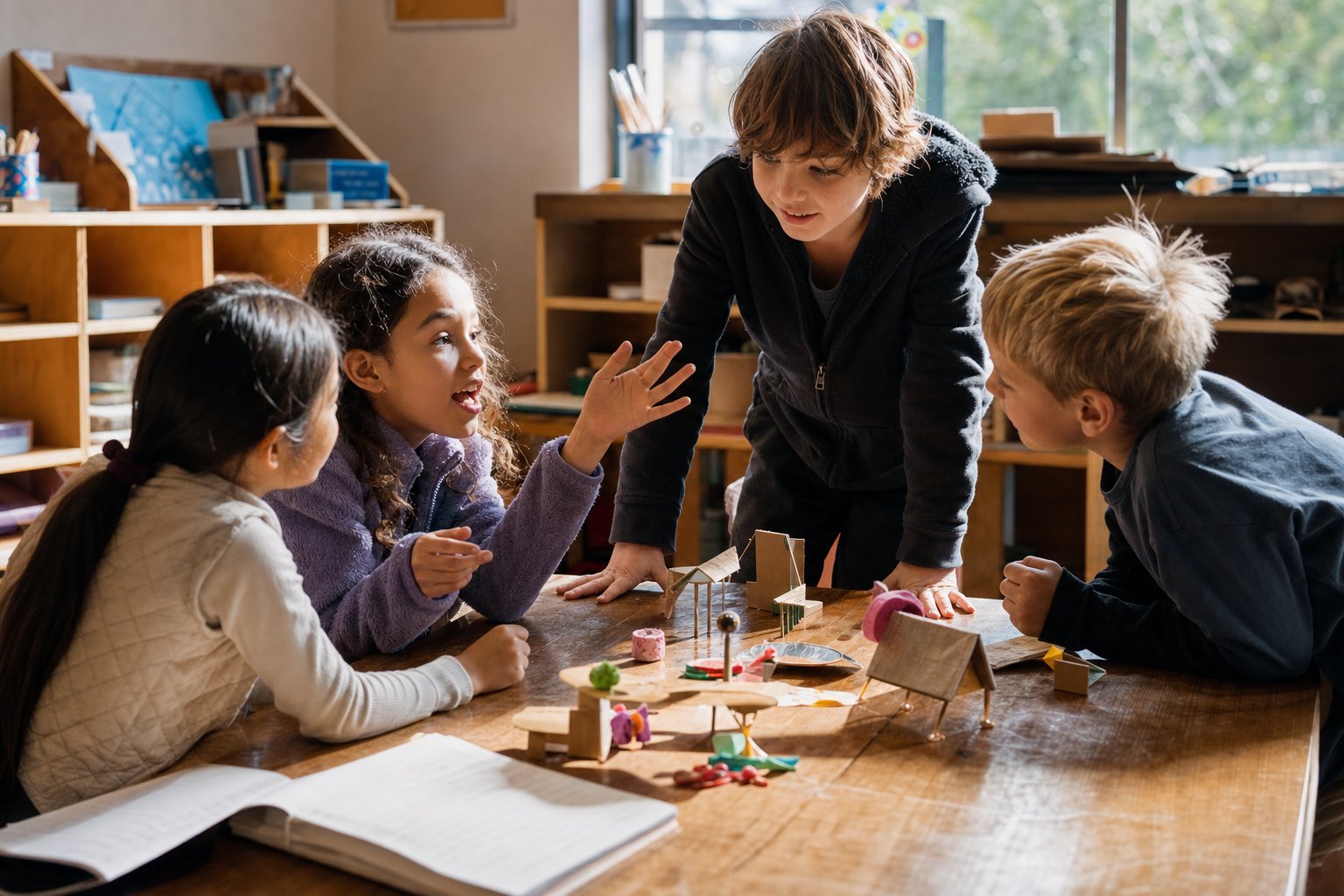
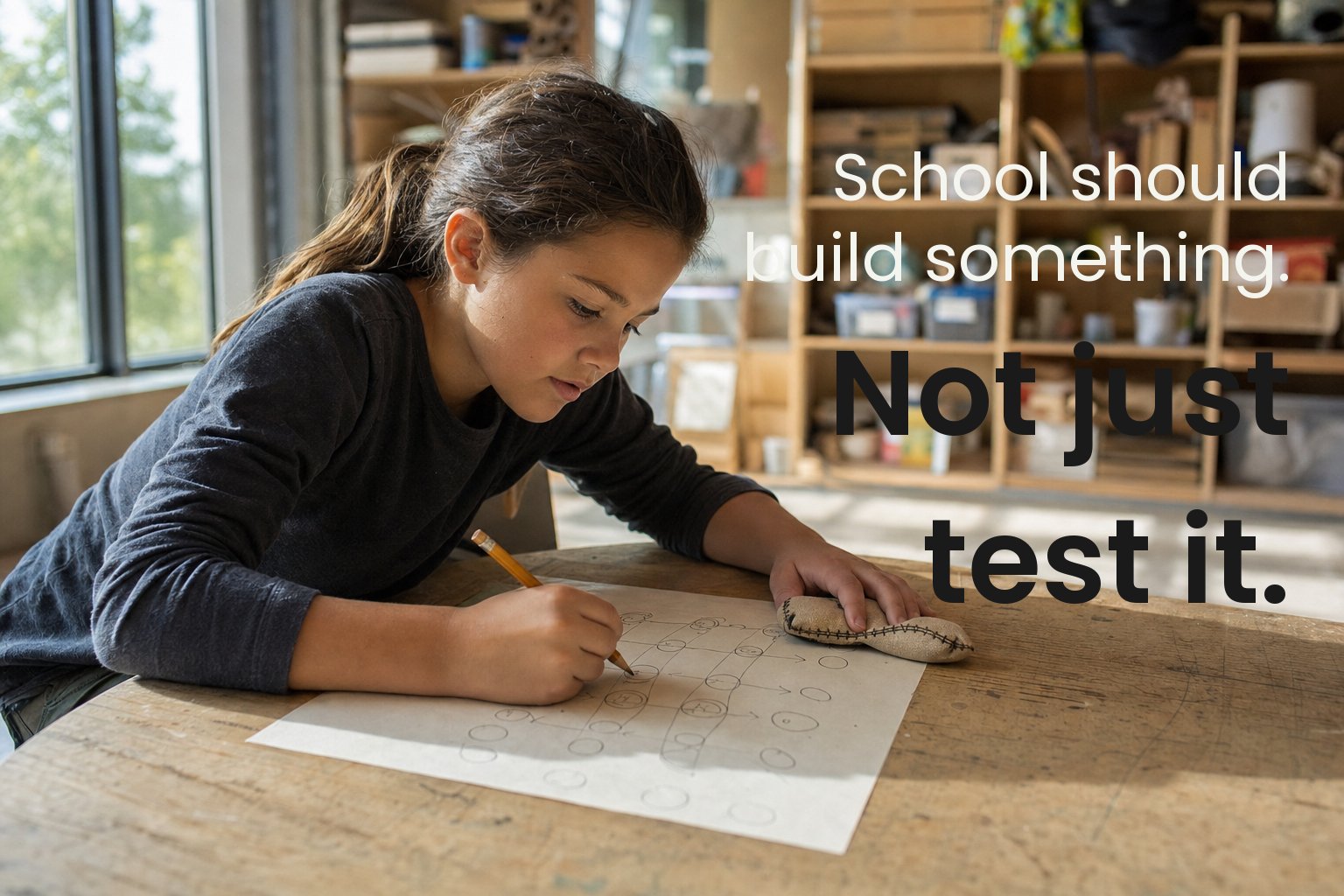
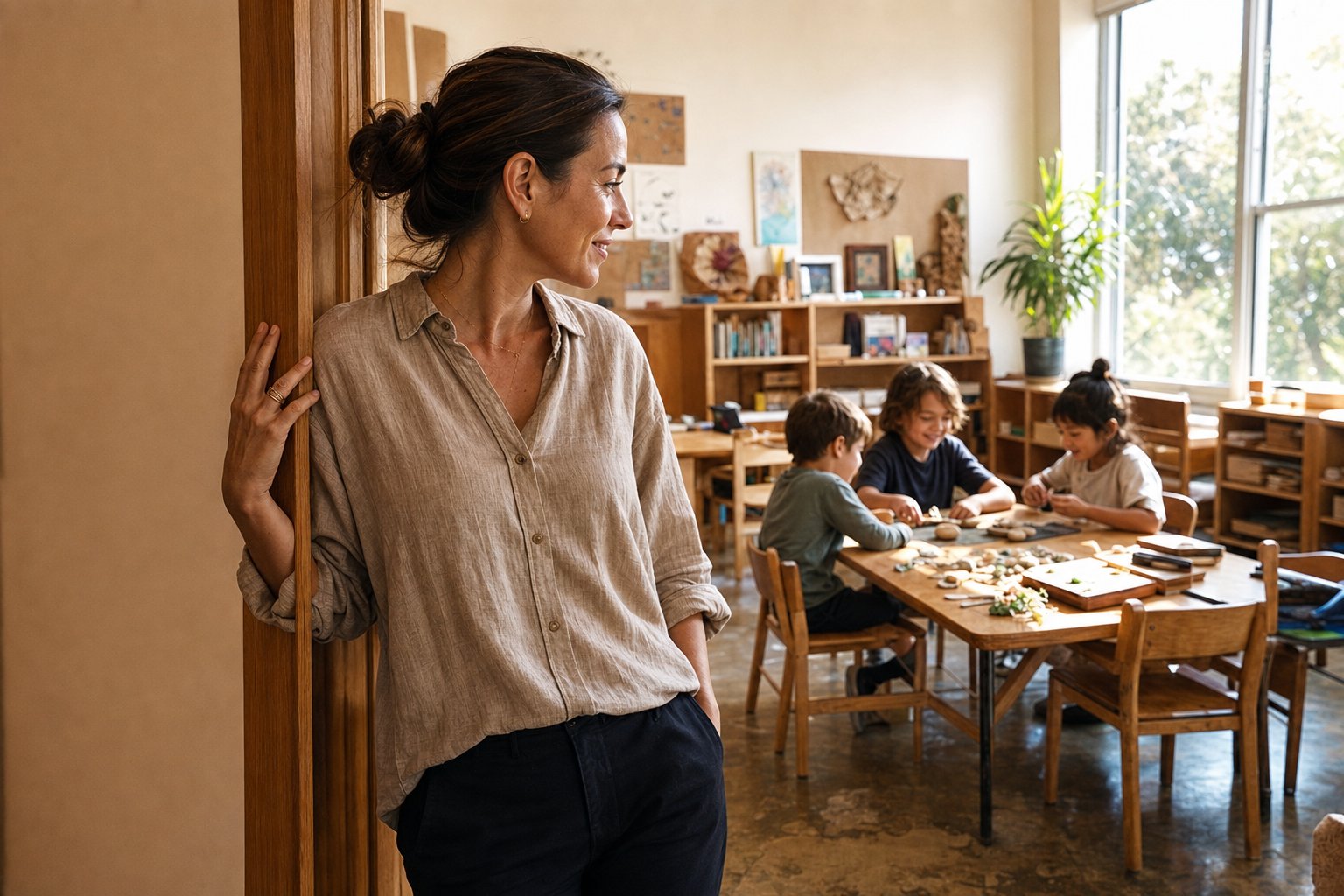
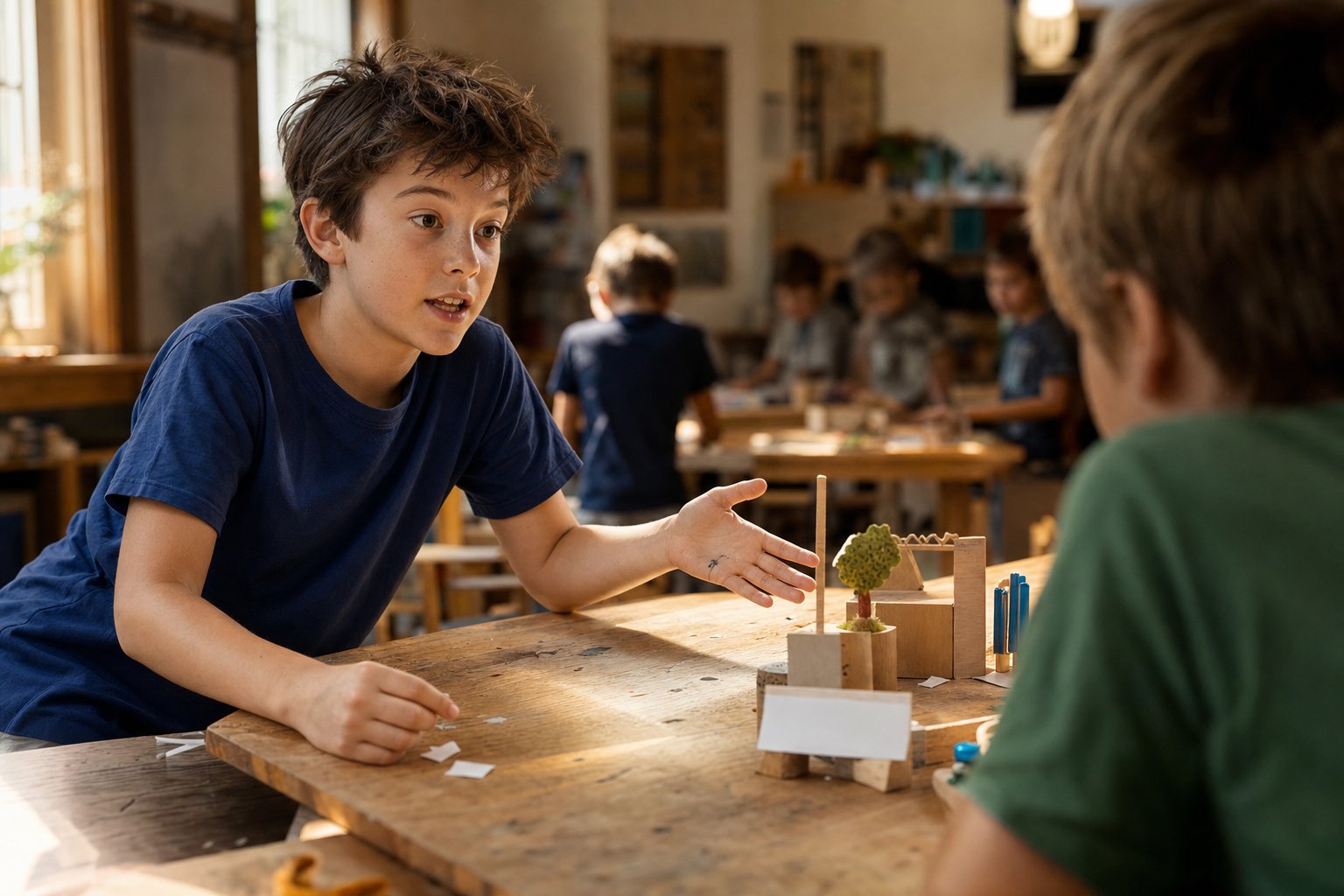
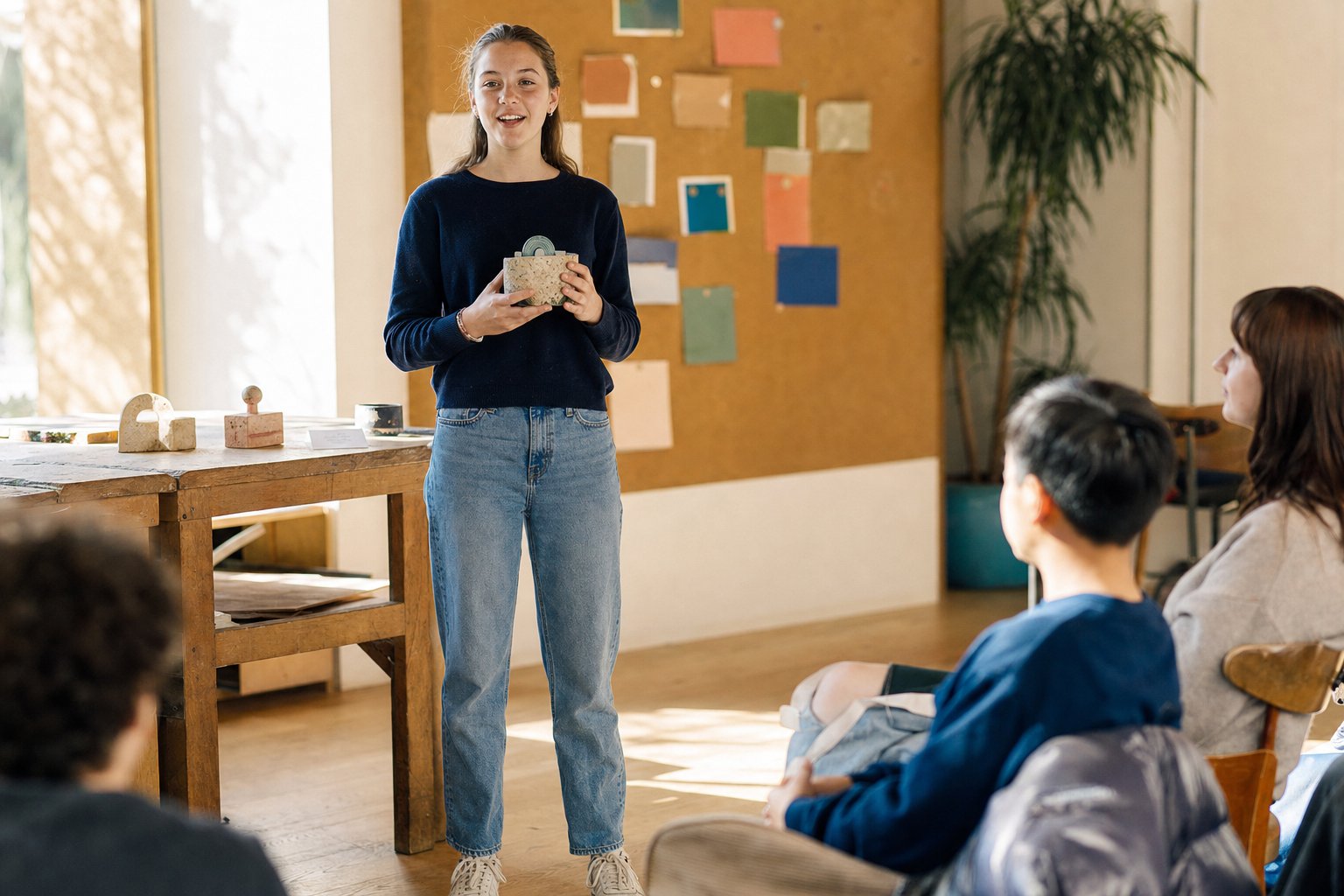
    # Why Your Gifted Child Is Bored — And What Actually Fixes It Your child tested into the gifted range. Teachers call them bright, curious, full of potential. And yet every Sunday night there is a knot in their stomach about going back to school. Every Monday morning is a negotiation. Every report card carries the same baffling note: *not working to potential.* Here is what no one is telling you directly: your child is not the problem. The environment is. Boredom in gifted children is not a character flaw and it is not laziness. It is a precise, predictable response to a mismatch — a mind built for depth, agency, and challenge being handed a system designed for compliance, pace uniformity, and standardized output. Understanding that mismatch is the first step. Fixing it is the second. And the fix is more radical than most parents expect. ## The Science Behind the Boredom Signal When researchers study gifted learners, one pattern appears consistently: these children do not underperform because they lack ability. They underperform because the gap between what they are capable of and what they are being asked to do is too wide to sustain motivation. Psychologists call this *asynchronous development* — the child's intellectual capacity races ahead of the social and institutional structures designed to contain it. But the deeper problem is neurological. The brain's reward system — specifically the dopamine pathways associated with learning — activates most powerfully when a task sits at the edge of a person's current ability. Not too easy, not impossibly hard. Researchers call this the *zone of proximal development*, and gifted children spend almost none of their school day there. Instead, they spend the majority of their instructional hours re-encountering material they have already internalized. The brain does not reward mastery of the already-known. It rewards the discovery of the not-yet-known. So the gifted child who looks disengaged, distracted, or difficult is not broken. Their brain is doing exactly what brains do when they are starved of genuine challenge: it turns inward, it daydreams, it finds stimulation wherever it can. The traditional classroom, designed to move a group of thirty children through the same content at the same pace, cannot solve this problem structurally. It is not a failure of individual teachers. It is a failure of the model itself. ## What Gifted Children Actually Need — And Rarely Get Gifted learners do not primarily need harder worksheets or accelerated textbooks, though appropriate academic challenge matters. What they need is something more fundamental: *agency over their own learning*. Research on intrinsic motivation — particularly the work of Edward Deci and Richard Ryan on Self-Determination Theory — shows that sustained engagement requires three conditions: autonomy (the sense that you are choosing, not just complying), competence (the experience of growing at the edge of your ability), and relatedness (genuine connection to peers and mentors who take your thinking seriously). Traditional schooling systematically undermines all three. The curriculum is fixed. The pace is fixed. The seat is fixed. The question of what to learn and why is never the student's to answer. For an average learner, this structure provides necessary scaffolding. For a gifted learner, it is a cage. What actually works — what the research, the outcomes data, and the lived experience of thousands of families confirms — is a *learner-driven* model. One where the child is not a passive recipient of information but an active architect of their own growth. One where Leadership, Entrepreneurship, and Powerful Communication are not electives bolted onto the side of a real curriculum but are the organizing framework through which academics come alive. ## The Myth of the Bored-but-Fine Child Many parents absorb the boredom signal and decide to wait it out. The child is still getting decent grades. They are not in crisis. Surely the system will catch up to them eventually, or they will learn to tolerate it, or high school will finally challenge them. This is one of the most costly misreadings a parent can make. Chronic under-challenge in gifted children does not simply produce boredom. It produces a set of learned behaviors that are genuinely difficult to reverse: the habit of minimal effort, the expectation that things should come without struggle, the atrophying of intellectual resilience, and — most damaging — the quiet internalization that school is something to be endured rather than engaged. By the time many gifted children reach high school, the problem is no longer that the work is too easy. The problem is that they have never developed the capacity to push through difficulty, because difficulty was never part of their experience. They arrive at genuine challenge without the tools to meet it. Parents who waited for the system to fix it discover that the system never intended to. The bored-but-fine child is not fine. They are practicing the wrong things, every single day. ## Why Enrichment Programs Miss the Point The standard institutional response to a gifted child is enrichment: pull-out programs, gifted clusters, robotics clubs, math olympiad, debate team. These are better than nothing. Some of them are genuinely valuable. But they do not solve the core problem because they are additions to a broken baseline, not replacements for it. A child who spends six hours a day in a passive, compliance-oriented environment and forty-five minutes a week in a gifted pull-out program is still spending the overwhelming majority of their school life in a model that does not serve them. The enrichment is a pressure valve. It does not change the architecture. Real change requires a different architecture entirely. It requires a school where the default mode is inquiry, not instruction. Where the baseline expectation is that students lead, build, communicate, and solve — not sit, listen, and repeat. Where Leadership, Entrepreneurship, and Powerful Communication are not supplementary programs but the structural DNA of how every day is organized. This is not a utopian idea. It is a functioning model, running in micro-school environments across the country, with documented outcomes and families who have made the transition and never looked back. ## What a Learner-Driven Day Actually Looks Like Parents who are considering a non-traditional school often struggle to visualize what it actually looks like in practice. The abstract language of learner-driven education — self-directed, project-based, inquiry-led — can sound like organized chaos to someone whose own schooling was conventional. Here is what it actually looks like at a school built around Leadership, Entrepreneurship, and Powerful Communication. A ten-year-old arrives and reviews their learning goals for the week — goals they set in collaboration with their guide, not goals handed down from a district curriculum map. They spend focused time on core academics: reading, writing, mathematics, progressing at the pace their mastery warrants, not the pace the calendar dictates. Then they move into a project that requires them to apply those skills in a real-world context — designing a product, running a business simulation, presenting a solution to a genuine problem to an audience that includes people outside the classroom. They lead a team meeting. They give and receive feedback. They fail at something, diagnose why, and iterate. By the end of the day, they have not just consumed information. They have *produced* something. That production — that act of building and leading and communicating — is what the gifted brain is hungry for. And it is what conventional schooling almost never provides. The result is not a child who skips past academics. It is a child who engages with academics more deeply because they understand why the skills matter. The reading is not abstract. It serves the project. The math is not a worksheet. It solves a real problem. The communication is not a book report. It is a pitch to a live audience. ## The Real Cost of Waiting Parents considering a change often frame the decision as a risk: what if the non-traditional school doesn't prepare my child for college? What if they fall behind? What if they miss the social experience of a larger school? These are legitimate questions and they deserve honest answers. But the risk framing has a blind spot: it treats the current situation as the safe default. It is not. A child spending five days a week in an environment that systematically fails to challenge them, fails to develop their leadership capacity, fails to build their communication skills, and fails to ignite genuine intellectual engagement is not in a safe situation. They are accumulating a deficit — of motivation, of resilience, of real-world capability — that will compound over time. The question is not whether changing schools is risky. The question is which risk you are more willing to carry: the risk of trying something new, or the risk of watching your child spend their most formative years in a system that was never designed for who they are. One parent, Lindsey Jaleh, described her daughter's first year at a learner-driven micro-school this way: *She is confident, engaged, joyful, and genuinely loves going to school. Watching her thrive has been emotional for my husband and me because she feels truly seen, respected, and valued for who she is — not expected to fit into a predetermined mold.* That transformation is not rare. It is what happens when the environment finally matches the child. ## How to Evaluate Whether a Different Model Is Right for Your Child Not every learner-driven school is built the same way, and not every gifted child needs the same environment. Here is what to look for when you are evaluating alternatives. First, look for a school where Leadership, Entrepreneurship, and Powerful Communication are embedded in the daily structure — not offered as optional programs or weekend enrichment. If entrepreneurship is a once-a-semester project fair, the school has not committed to the model. If it is the lens through which every subject is taught, every day, from early childhood through graduation, that is a different animal entirely. Second, look for genuine learner agency. Can students set their own goals? Do they have meaningful voice in how their learning is structured? Is the guide's role to facilitate inquiry or to deliver instruction? The answers to these questions will tell you more about the school's actual model than any marketing material. Third, look for real-world outputs. Not just tests and grades, but projects that exist outside the classroom — businesses that operate in the community, presentations to real audiences, apprenticeships with working professionals. A school that produces real-world outputs is a school that takes real-world preparation seriously. Fourth, visit. Read the reviews. Talk to families who have made the transition. Ask them what their child was like before and what they are like now. That before-and-after narrative is the most reliable data you have. ## The Decision That Changes Everything Your gifted child's boredom is not a mystery. It is a message. It is their mind telling you, as clearly as it knows how, that the container is too small. The container can be changed. A learner-driven micro-school built around Leadership, Entrepreneurship, and Powerful Communication — where every child is known as an individual, challenged at the edge of their actual ability, and given genuine agency over their learning — is not a theoretical alternative. It exists. It is operating in Orange County. And it is enrolling families right now for the 2026-2027 school year. The first step is a conversation. Not a commitment. Just a call — twenty minutes to talk about your child, what you are seeing, and whether this model is the right fit for your family. Book a call or schedule your campus tour at Wonderstorm Academy. Come see what school looks like when it is built for who your child actually is.

    By David YarbroughJul 8, 2026
    Read more

    Welcome! Chat with Eve 👋

    We respond immediately
    Eve